

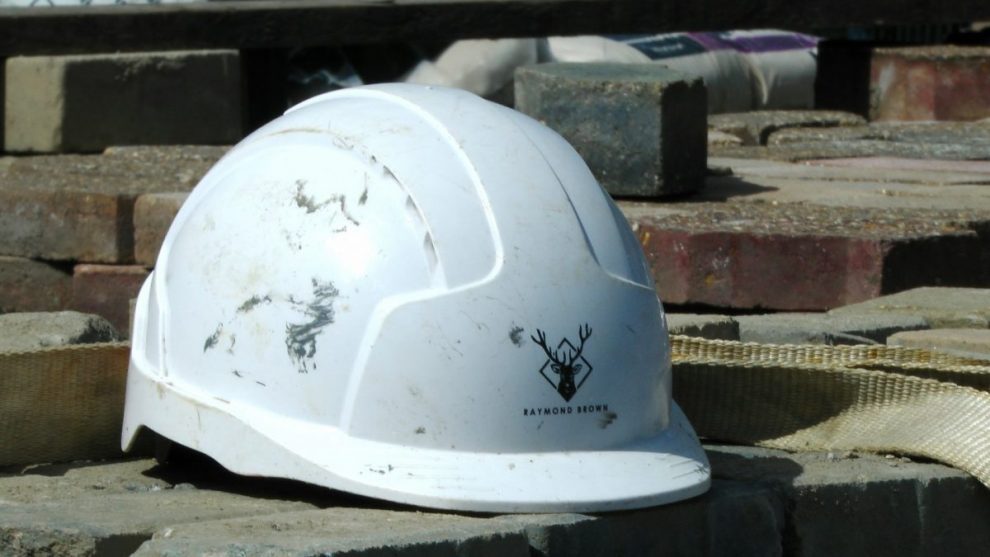
There’s no question that mining has been made safer over the years, but mines are still one of the most hazardous places to work. Mines are always looking to reduce mining accidents. The causes can be numerous, from explosive dust and toxic gases to collapse of mine shafts, and the consequences severe, with thousands of fatalities each year.
When an incident does occur in a mine, it can be hard to understand precisely what’s happened. Because many factors are at play, a wide range of accidents can occur. A key step in preventing these accidents is to classify them by type and by cause, and that’s where ISO 19434 comes in.
Developed by the ISO technical committee on mining (ISO/TC 82), Seyed Reza Hosseini, Convenor of the working group on classification of mine accidents (WG 6), explains that the standard represents a new direction for their work: “Until now ISO mining standards mostly looked at safety features for machinery. ISO 19434 looks at the accidents themselves, giving each accident a code that indicates its causes and consequences.”
READ RELATED
- Human capital “a key focus” for organisations transitioning to ISO 45001
- New guide for working with silica
With the entire industry working to further improve the safety of their operations, there are clear advantages of a unified system to understand the main types of accidents. Using the classification given in ISO 19434, one can identify whether accidents have occurred due to human error or other causes. It gives a shared understanding on key issues, as Reza points out: “This International Standard defines not only the main types of accidents but, importantly, provides information about the nature of any injuries that have occurred, defining their location and to what degree personnel are affected.”
ISO 19434 may assist to reduce mining accidents
With the publication of ISO 19434, a long-standing need has been addressed for a comprehensive mine accidents classification system that could present a standard scheme for all factors associated with the accidents. That will enable full analysis based on both software systems or manual assessment. By presenting a common understandable language for communication between all parts involved in safety, health and environment issues in mines, the hope is that working conditions can continue to improve across all operations in the mining sector.
Read Also: AROUND THE WORLD: An Overview of Global Mining Accidents


Add Comment